News
Dams and reservoirs are important parts of modern water infrastructure. They are often mentioned together, and in everyday conversation the two terms are sometimes used as if they mean the same thing. However, a dam and a reservoir are not the same. A dam is the physical structure built to hold back or control water, while a reservoir is the body of water that is stored behind the dam or created for water storage.
Understanding the difference between dams and reservoirs is important because they play a major role in water supply, irrigation, hydroelectric power generation, flood protection, recreation, navigation, and industrial water management. They can support communities and economic development, but they also require careful planning, operation, maintenance, and environmental management.
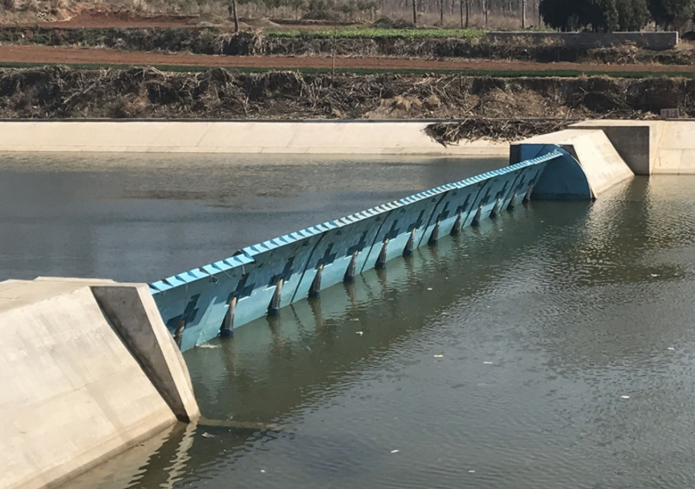
A dam is a structure built across a river, stream, valley, or watercourse to retain, control, or redirect water. Its main purpose is to hold water back so that the stored water can be used for one or more specific functions. Depending on the project, a dam may be designed for water storage, hydroelectricity generation, irrigation, flood control, navigation, tailings containment, or a combination of these uses.
Dams can vary greatly in size and function. Some are large engineering structures that support regional water supply or power generation. Others are smaller structures designed for local irrigation, farm water storage, stormwater control, or industrial use. Regardless of size, the basic function of a dam is to create control over water movement.
In a river system, a dam changes the natural flow of water. It can slow water down, store it during wet periods, release it during dry periods, or regulate flows to meet downstream needs. Because of this, dams are closely linked to water management, energy planning, agriculture, urban development, and flood risk reduction.
A reservoir is a body of water that is created or managed for water storage. In many cases, a reservoir is formed behind a dam when water is held back and allowed to collect. This stored water can then be used when needed for municipal water supply, irrigation, industrial use, hydropower generation, or flood management.
Reservoirs can look similar to lakes, but they are not the same thing. A lake is a natural depression in the land that has filled with water. A reservoir, on the other hand, is constructed, enlarged, or managed in some way to store water for human use. This difference matters because reservoirs are usually operated according to planned water management goals, while natural lakes are part of a broader natural hydrological system.
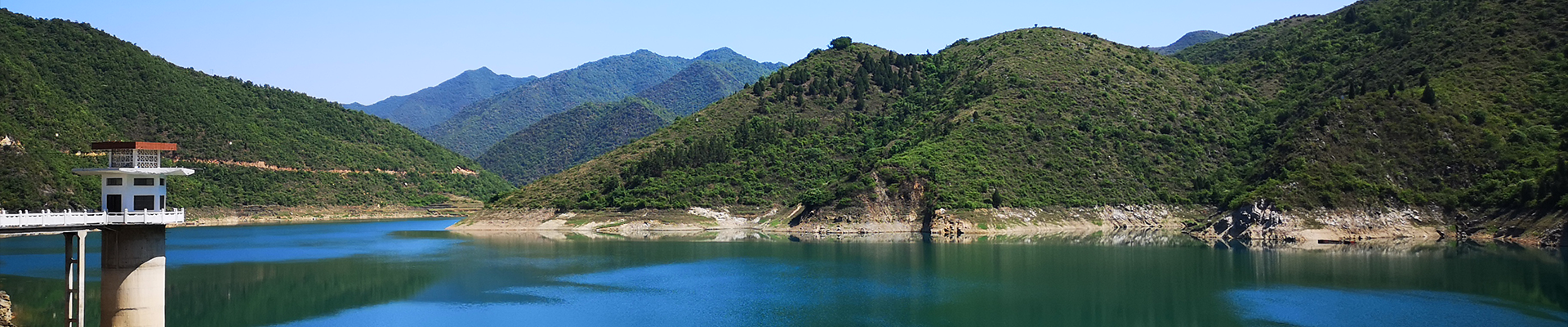
An easy way to remember the difference is this: the dam is the structure, and the reservoir is the stored water. The dam holds back water; the reservoir is the water body created by that storage.
The terms “dam” and “reservoir” are closely related, but they describe different parts of the same water management system.
| Item | Dam | Reservoir |
| Basic Meaning | A physical structure built to retain or control water. | A body of stored water, often formed behind a dam. |
| Main Function | Blocks, controls, redirects, or regulates water flow. | Stores water for future use or controlled release. |
| Where It Is Located | Across a river, stream, valley, or watercourse. | Upstream or behind the dam, where water collects. |
| Natural or Built? | Engineered and constructed. | Usually created or managed through engineering works. |
| Example Use | Flood control, hydropower, irrigation, water regulation. | Water supply, recreation, irrigation storage, hydropower storage. |
In many projects, the dam and reservoir may also have different names. A well-known dam may hold back a reservoir with a separate name. This is one reason why people sometimes confuse the two terms. However, from an engineering and water management perspective, the distinction is clear: the dam is the retaining structure, and the reservoir is the stored water body.
Dams and reservoirs are built for many reasons. Some projects have one main purpose, while others are designed as multi-purpose systems. A dam may be originally built for water storage or hydropower, but over time it may also support recreation, flood protection, irrigation, or navigation. The use of a dam and reservoir can change as community needs, environmental conditions, and water management priorities change.
One of the most common reasons for building dams and reservoirs is water storage. Reservoirs can store water during wet seasons and release it during dry periods. This stored water may be used for municipal drinking water, industrial water supply, agricultural irrigation, or regional water security.
In areas where rainfall is seasonal or drought risk is high, reservoirs help provide a more stable water supply. They can reduce dependence on immediate river flow and give communities more control over when and how water is used.
Agriculture often depends on reliable water supply. Dams and reservoirs can store water for irrigation, allowing farmers to support crops during dry periods or in regions where rainfall is not enough. Irrigation reservoirs can help stabilize agricultural production and support food systems.
However, irrigation water management must be carefully planned. Overuse of stored water can reduce downstream flows, affect ecosystems, and create conflict between agricultural, municipal, industrial, and environmental needs.
Dams are commonly used to generate hydroelectricity. In a hydropower system, stored water is released through turbines, and the movement of water is converted into electricity. Hydroelectric dams can provide large amounts of renewable electricity and help support regional power grids.
The reservoir plays a key role in this process because it stores the water needed for controlled power generation. By managing water release, operators can generate electricity according to demand, water availability, and system requirements.
Some dams are designed specifically for flood protection. These dams help reduce flood peaks by temporarily holding back floodwater and releasing it more slowly. In some cases, a dam built for another main purpose may also support flood management if reservoir levels are operated with enough available storage space before a flood event.
Flood-control dams require careful operation. If a reservoir is already full before heavy rainfall or snowmelt, its ability to store additional floodwater may be limited. For this reason, flood planning, weather monitoring, reservoir level management, and downstream communication are important parts of dam operation.
Reservoirs can also support recreation. Activities such as boating, fishing, swimming, sightseeing, camping, and shoreline recreation may develop around reservoir areas. In some communities, reservoirs become important local destinations and contribute to tourism and outdoor activity.
Recreation must be balanced with safety and water management needs. Water levels may rise or fall depending on reservoir operation, and some areas may have restrictions to protect water quality, public safety, wildlife habitat, or dam infrastructure.
Some dams are used to raise water levels upstream, making waterways easier to navigate. By creating deeper and more stable water conditions, dams can support transportation, shipping, or local boat movement.
Navigation-related dams may be part of a broader river management system, especially where water levels need to be controlled for vessels, ports, locks, or inland waterway routes.
Reservoir-like structures may also be used for waste containment, such as tailings storage in mining operations. In this context, dams are used to contain water and waste materials from industrial processes.
This type of dam requires especially strict design, monitoring, and risk management because failure can create serious environmental and safety consequences. Tailings dams and containment reservoirs must be managed according to engineering standards, stability requirements, water quality concerns, and long-term closure plans.
Yes. Many dams and reservoirs are multi-purpose systems. A single dam may support water supply, irrigation, hydropower, recreation, and flood management at the same time. This can make the project more valuable, but it also makes operation more complex.
For example, hydropower generation may require water releases at certain times, while irrigation may need water stored for dry periods. Flood control may require keeping reservoir space available before storm seasons, while recreation may benefit from stable water levels. These goals can sometimes support each other, but they can also conflict.
Because of this, dam and reservoir management often involves trade-offs. Operators must consider water availability, downstream flow needs, electricity demand, flood risk, environmental requirements, and public safety. Good planning is essential to make sure the reservoir serves its intended purposes without creating unnecessary risk.
Reservoirs and lakes may look similar, but they are different in origin and management. Lakes are natural water bodies formed by geological, glacial, volcanic, river, or other natural processes. Reservoirs are built or modified to store water for specific human purposes.
The difference is not only about how they form. Reservoirs usually have controlled water levels, managed inflows and outflows, and planned operating rules. A natural lake may also have water level variation, but it is not usually operated in the same way as a reservoir behind a dam.
This distinction is important for water planning, environmental management, recreation, and public understanding. When people see a large body of water, it may look like a natural lake, but if it was created by a dam and is operated for water storage, it is a reservoir.
Dams and reservoirs exist in many countries and regions. In Canada, there are thousands of dams, including many large dams used for hydropower, water storage, flood control, irrigation, and other purposes.
Examples of major Canadian dam and reservoir systems include the W.A.C. Bennett Dam and Williston Reservoir in British Columbia, the Gardiner Dam and Qu’Appelle Dam forming Lake Diefenbaker in Saskatchewan, and the Robert-Bourassa generating facility and reservoir in Quebec.
These examples show how dams and reservoirs often work as paired systems: the dam provides the control structure, and the reservoir stores the water. They also show how large water infrastructure can serve regional energy, water supply, and economic needs.
Dams and reservoirs can provide important benefits when they are properly designed, operated, and maintained.
· Reliable water supply: Reservoirs store water for cities, farms, industries, and communities.
· Hydropower generation: Dams can produce electricity from controlled water flow.
· Flood risk reduction: Some dams can reduce peak flows and help manage flood events.
· Irrigation support: Stored water can help stabilize agricultural production.
· Recreational value: Reservoirs may support boating, fishing, tourism, and outdoor activities.
· Navigation support: Dams can raise water levels and improve upstream navigation.
· Industrial water management: Some reservoirs support mining, manufacturing, or other industrial needs.
Although dams and reservoirs provide many benefits, they also create management challenges. Building a dam changes the natural flow of a river, and this can affect downstream water levels, sediment movement, fish migration, water temperature, water quality, and aquatic habitats.
Reservoirs also require ongoing operation and maintenance. Water levels must be monitored, dam safety must be inspected, sedimentation must be considered, and emergency planning must be in place. For large dams, public safety and downstream risk management are especially important.
Environmental and social impacts must also be considered. A reservoir may flood land that was previously used for communities, agriculture, wildlife habitat, or cultural purposes. Downstream communities may experience changes in water availability or river behavior. For this reason, modern dam and reservoir planning usually involves engineering analysis, environmental assessment, stakeholder consultation, and long-term management planning.
Dam and reservoir management depends on the purpose of the project. A hydropower reservoir may be operated according to electricity demand and water availability. A flood-control reservoir may be operated to maintain storage space before high-flow seasons. A drinking water reservoir may focus on supply reliability and water quality protection.
In many cases, reservoir operation must balance several needs at once. Operators may need to decide when to store water, when to release water, and how much flow should be maintained downstream. These decisions can affect communities, ecosystems, agriculture, energy systems, and recreation.
Good reservoir management requires monitoring, data, engineering judgement, maintenance planning, and clear operating rules. It also requires understanding that water conditions can change. Droughts, floods, climate variability, land-use change, and population growth can all influence how dams and reservoirs are used over time.
Dams and reservoirs are closely connected, but they are not the same. A dam is the structure built to retain or control water, while a reservoir is the stored water body created or managed for specific purposes. Together, they form an important part of water infrastructure.
Dams and reservoirs can support water supply, irrigation, hydropower generation, flood protection, recreation, navigation, and industrial water management. They can provide major benefits to communities and economies, but they also require careful design, operation, environmental consideration, and long-term safety management.
Understanding what dams and reservoirs are, why they are built, and how they function helps people better understand the role of water infrastructure in daily life. Whether the goal is supplying water, generating power, reducing flood risk, or supporting agriculture, dams and reservoirs remain central tools in managing water resources responsibly.