Melting& Deicing Device
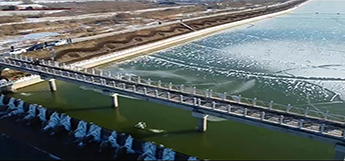
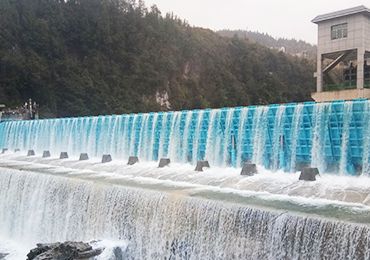
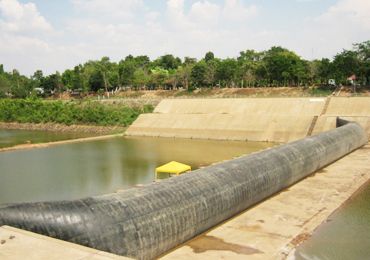
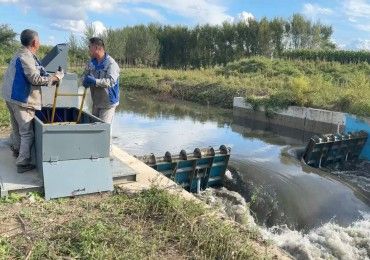
BIC provides melting and deicing device solutions for cold-region hydraulic structures, including sluice gates, steel dams, rubber dams, canals, reservoirs, river gates and water control projects. The device is designed to prevent ice formation, reduce ice accumulation in front of gates and protect hydraulic structures from winter operation risks.
In high-latitude and cold-climate areas, ice formation can affect gate opening and closing, damage water control structures, block water flow and increase maintenance difficulty. BIC’s melting & deicing device uses micro-nano aerated water flow and underwater circulation to disturb the water body, exchange surface water with deeper water and reduce the formation of ice layers before sluices and gates.
This solution is suitable for project owners, water conservancy departments, dam operators, EPC contractors and hydraulic structure managers who need a low-power, water-based and easy-to-maintain anti-icing system for winter operation.
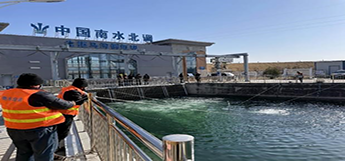
The melting and deicing device is installed underwater near the sluice gate, dam front or water control area. During operation, the device introduces air into the water and forms a strong aerated water flow.
The working process includes:
1. Drawing air into the underwater device
2. Producing micro-nano aerated water flow
3. Pushing bottom water and surface water to circulate
4. Disturbing the water body before the sluice or gate
5. Exchanging relatively warmer deep water with colder surface water
6. Reducing ice core formation and delaying surface freezing
7. Maintaining a non-frozen or weak-frozen water zone near key structures
Compared with passive anti-freezing methods, this system actively changes the local water movement condition and helps keep the gate area operable during cold seasons.
| Method | Characteristics | Suitable Situation |
|---|---|---|
| Manual ice breaking | Labor-intensive, difficult in extreme cold | Small temporary areas |
| Electric heating | Direct heating but higher energy consumption | Local equipment protection |
| Chemical deicing | Fast but may affect water environment | Roads or non-water structures |
| Compressed air system | Can disturb water but requires air supply system | Fixed large facilities |
| BIC Melting & Deicing Device | Micro-nano aeration, water circulation, low power, no chemical pollution | Sluice gates, dams, canals and hydraulic structures |
A single device can help control ice formation within a certain water surface range. It can disturb the water body around sluice gates and water control structures, reducing the risk of ice cover forming in critical operation zones.
The device normally operates with rated power from 0.75-3 kW, making it suitable for long-duration winter operation compared with some high-energy heating methods.
The system relies on water circulation and micro-nano aerated flow instead of chemical deicing. It does not introduce deicing chemicals into the water body and avoids secondary pollution.
In addition to anti-icing, the device can increase dissolved oxygen and improve local water movement, which may support better water quality conditions in some project environments.
The device adopts an integral stainless steel submersible shell and compact structure. Installation can be adapted to sluice gates, canals, dams and other hydraulic structures. Maintenance mainly focuses on cable inspection, motor operation and inlet/grid cleaning.
BIC can provide project-based deicing solutions according to water depth, gate layout, river width, freezing intensity and operation requirements.
Customizable support includes:
Device quantity and layout arrangement
Installation position before sluice gates or dam structures
Power supply configuration
Bracket and counterweight design
Anti-icing coverage planning
Integration with steel dams, rubber dams or hydraulic gates
Operation and maintenance guidance
Winter operation plan for hydraulic structures
For different water conservancy projects, BIC can help evaluate whether one device or multiple devices are needed to cover the critical anti-icing area.
BIC works in water conservancy, small-scale hydropower and water treatment fields. For melting and deicing device projects, BIC can support technical consultation, equipment selection, layout planning, installation guidance, commissioning and maintenance recommendations.
Our support can cover:
1. Project condition evaluation
2. Deicing coverage analysis
3. Device model and quantity recommendation
4. Installation method suggestion
5. Operation guidance for winter seasons
6. Coordination with hydraulic gate or dam systems
7. After-sales technical service
If your sluice gate, dam, canal, reservoir or water control structure faces freezing problems during winter operation, BIC can provide a project-based melting and deicing device solution.
Contact BIC to discuss your site conditions and receive a suitable technical proposal.