News
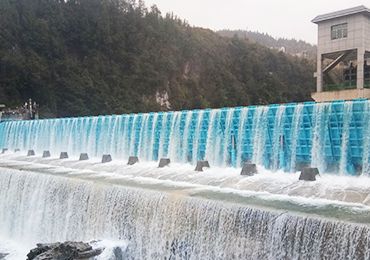
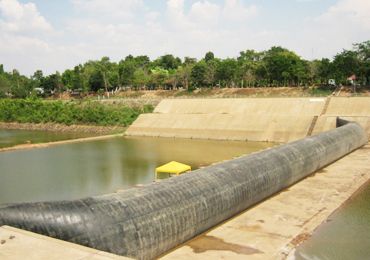
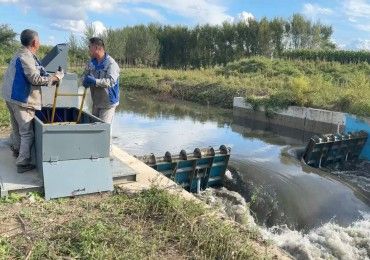
Sluice gates and weir gates are hydraulic barriers widely used to regulate water levels and flow rates in water treatment plants, dams, rivers, and canals. Sluice gates control discharge by allowing water to pass beneath the gate opening, while weir gates are operated downward, enabling water to flow over the top of the gate crest. Due to their distinct operating mechanisms, each type of gate is suited to different hydraulic conditions and engineering purposes.
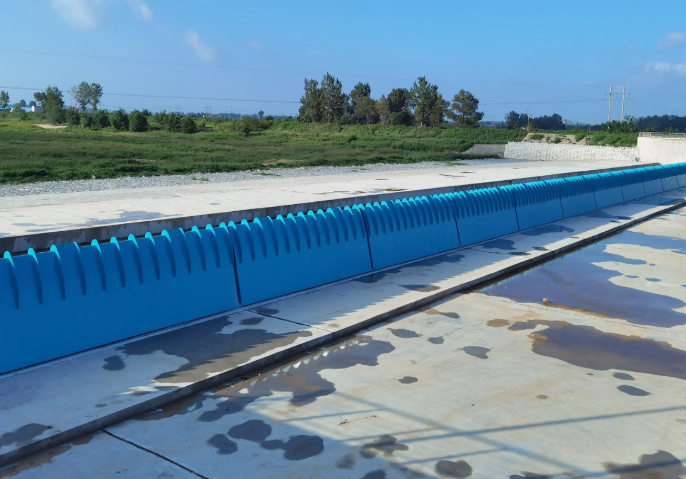
Both sluice and weir gates play a key role in water level and flow control, but their applications vary depending on location and system requirements. Sluice gates are particularly suitable for spillway applications, as they can efficiently withstand and regulate high water pressure on one side of the gate, making them ideal for large dam installations. In contrast, weir gates are more commonly applied in small dams and reservoir systems where controlled overflow and precise water level regulation are required.
Weir gates are highly effective in controlling soil erosion by reducing upstream flow velocity, which allows sediments to settle before reaching downstream areas. As a result, the water flowing over the crest of a weir gate typically contains a lower silt concentration. In addition, weir gates enable regulation of water levels both upstream and downstream. Elevated upstream water levels support recreational activities and contribute to flood mitigation by moderating peak flows.
In contrast, sluice gates in large dam systems are commonly used as silt exclusion devices. They divide incoming upstream flow into zones of relatively still water that supply canals, where sedimentation can occur efficiently. Sluice gates installed within these still-water pockets facilitate the controlled transfer of accumulated silt from upstream to downstream areas, maintaining channel capacity and operational efficiency.
Furthermore, sluice gate openings allow easier fish movement through canals and channels, supporting aquatic connectivity. Weir gates, by comparison, act as protective barriers that help prevent unwanted intrusion into upstream water bodies.
Weir gates are effective for both water level control and flow measurement. By measuring the water head over the weir crest, the discharge rate can be accurately determined. This flow rate data is essential for water resource management and assessment, hydrological analysis, and informed operational decision-making. In comparison, sluice gate operations are primarily focused on regulating water levels rather than flow measurement.
In industrial applications, sluice gates are widely used to control and isolate liquids across a broad range of processes. In water, wastewater, and sewage treatment plants, sluice gates are installed at multiple stages, from pumping and conveyance to treatment and decanting operations. Weir gates, on the other hand, are applied in specific industrial processes to separate floating debris and control overflow for targeted applications.
Both sluice gates and weir gates share a wide range of common applications, including:
• Water flow regulation
• Flood control
• Irrigation systems
• Drainage networks
• Soil conservation
• Decanting operations
• Fluid isolation and controlled flow management
Sluice and weir gates can be operated manually, automatically, or via remote control systems. Common non-corrosive materials used in their construction include cast iron and stainless steel. For specialized applications, gate materials may be selected to provide enhanced chemical resistance.
Sluice gates and weir gates play a critical role in integrated water management schemes. They help regulate water levels, mitigate flooding risks, and maintain reliable water supply for irrigation and various industrial applications.
Overall, both sluice and weir gates are versatile and efficient solutions for water level control across a wide range of hydraulic and industrial environments.