News
Water is one of the most powerful natural forces shaping our world. While it sustains life, it can also threaten cities, agriculture, and infrastructure when not properly managed. This is where movable dams and weir gates come into play—innovative engineering solutions designed to regulate water levels, control floods, and support irrigation systems.
In this article, we’ll explore how these systems work, their real-world applications, and why they are becoming essential movable dam river regulation equipment for modern water management.
A movable dam is a type of barrier installed across a river or canal that can be adjusted—raised, lowered, or opened—depending on water conditions. Unlike traditional fixed dams, movable dams offer flexibility, allowing operators to respond dynamically to seasonal changes, rainfall, or emergency situations.
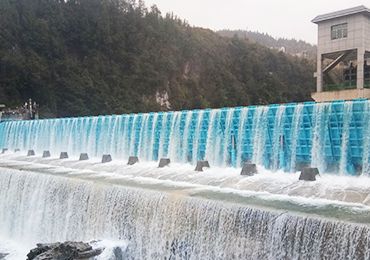
Weir gates, often part of these systems, are mechanical structures that regulate the flow of water over or through a barrier. Common types include:
· Radial gates (tainter gates)
· Vertical lift gates
· Flap gates
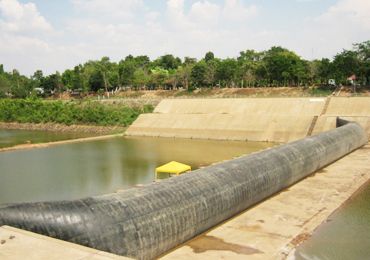
· Inflatable rubber dams
Together, these technologies form a complete movable weir gate system supplier solution for controlling water with precision.
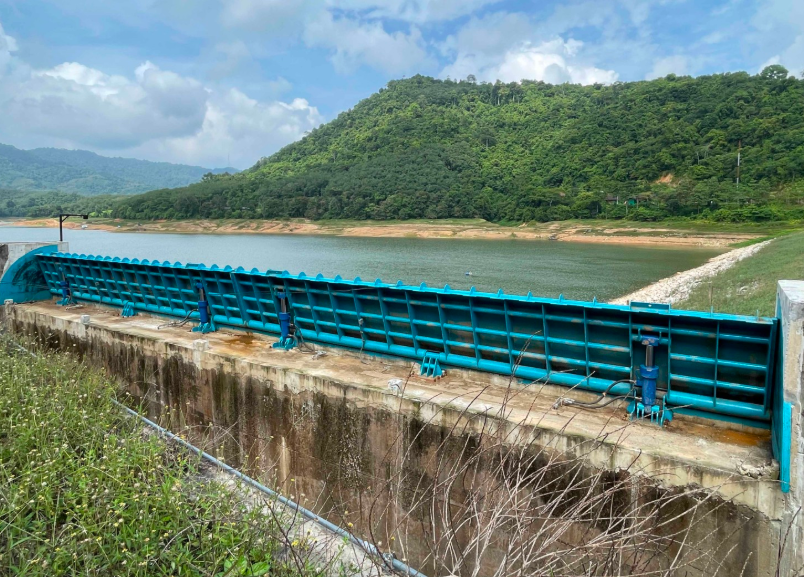
At the core of a movable dam system is its ability to adjust water levels in real time. The operation typically involves:
1. Monitoring water levels through sensors and control systems
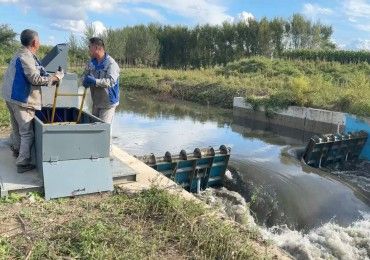
2. Actuating gates or barriers using hydraulic, electric, or pneumatic systems
3. Regulating flow by opening or closing gates based on demand
For example:
· During heavy rainfall, gates can be fully opened to allow excess water to pass downstream, reducing flood risk.
· In dry seasons, gates can be partially closed to retain water for irrigation or urban supply.
This adaptability makes movable dams a highly effective movable dam flood protection solution.
Flooding is a growing concern for cities worldwide due to climate change and urbanization. Movable dams help protect urban areas by:
· Controlling river levels during storms
· Preventing overflow into streets and residential zones
· Managing stormwater discharge efficiently
For residents, this means reduced flood damage, safer infrastructure, and more resilient communities.
Movable dams play a crucial role in maintaining stable river ecosystems. By controlling flow rates, they help:
· Prevent riverbank erosion
· Maintain navigable water levels for transport
· Support aquatic habitats by avoiding extreme fluctuations
Unlike fixed dams, movable systems can mimic natural flow patterns, making them more environmentally friendly.
Agriculture depends heavily on reliable water supply. Movable weir gates enable:
· Precise distribution of water across irrigation canals
· Storage of water during rainy periods for later use
· Efficient allocation to different farmland zones
Farmers benefit from consistent irrigation, improved crop yields, and reduced water waste.
Beyond cities and farms, these systems are widely used in:
· Hydropower support systems
· Water treatment facilities
· Navigation canals and ports
They ensure that water levels remain optimal for both operational efficiency and safety.
Different environments require different solutions. Common types include:
Durable and widely used in large-scale river regulation projects.
Flexible and cost-effective, ideal for smaller rivers and seasonal use.
Operate by rotating to control flow, often used in urban waterways.
Integrated with IoT and remote monitoring for real-time control.
Each type can be tailored by a professional movable weir gate system supplier to meet specific project requirements.
· Flexibility: Adjustable to changing water conditions
· Flood Control: Effective emergency response capability
· Water Conservation: Optimized storage and usage
· Environmental Protection: Reduced ecological disruption
· Cost Efficiency: Lower long-term maintenance compared to fixed systems
These advantages make them a preferred movable dam river regulation equipment in both developed and emerging markets.
As climate patterns become more unpredictable, the need for adaptive infrastructure is growing. Movable dams and weir gates are evolving with:
· Smart sensors and AI-based control systems
· Remote operation via cloud platforms
· Integration with smart city infrastructure
These innovations are transforming traditional water control into intelligent water management systems.
Movable dams and weir gates are more than just engineering structures—they are vital tools that connect directly to our daily lives. From protecting cities against floods to ensuring farmers have enough water for crops, these systems quietly support modern society.
As demand for sustainable and efficient water solutions increases, investing in advanced movable dam flood protection solution technologies will be key to building resilient cities and productive agricultural systems.
Whether you are a city planner, engineer, or agricultural professional, understanding these systems helps you appreciate how water flow control shapes the world around us.