News
As water scarcity, climate pressures, flood risks, and environmental concerns continue to challenge communities around the world, more flexible and sustainable water management technologies are becoming increasingly important. Among these solutions, the inflatable rubber dam has emerged as an effective alternative for controlling water levels, regulating river flow, supporting irrigation, and improving water resource utilization.
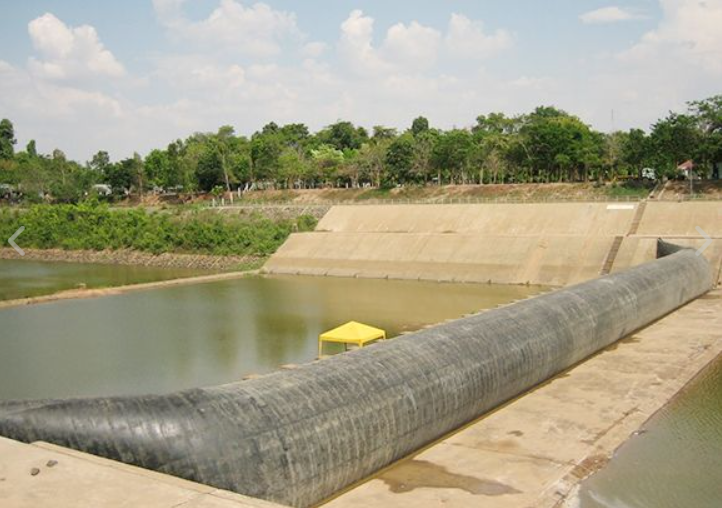
Unlike conventional concrete dams, inflatable rubber dams are constructed from durable, reinforced rubber materials and can be inflated or deflated according to changing water management requirements. This adjustable structure provides a more flexible approach to controlling water while reducing the construction complexity and environmental disturbance associated with many traditional fixed dams.
Conventional concrete dams remain important for many large-scale water infrastructure projects, but their construction can involve significant environmental and social impacts. Large permanent structures may alter natural river systems, affect aquatic habitats, require extensive civil works, and in some cases influence nearby communities.
Inflatable rubber dams provide a different approach.
Compared with traditional concrete structures, inflatable rubber dams generally require fewer construction processes and can reduce disturbance to the surrounding environment. Their relatively compact civil engineering requirements can help preserve more of the existing river environment while minimizing long-term structural interference.
Because the dam body can be inflated or deflated, operators can also respond more flexibly to changing river conditions. When necessary, the dam can be lowered to allow increased water discharge, sediment movement, or flood passage.
Installation and removal can also create less disturbance than the construction or demolition of large permanent concrete barriers. This makes inflatable rubber dams particularly suitable for projects where environmental impact, construction speed, and operational flexibility are important considerations.
One of the most important advantages of inflatable rubber dams is their ability to regulate water levels dynamically.
The dam body can be inflated to raise upstream water levels and deflated when additional downstream flow is required. By controlling the internal air or water pressure, operators can adjust the operating height of the dam according to actual site conditions.
This flexibility makes inflatable rubber dams suitable for a wide range of applications, including:
· Agricultural irrigation
· Flood control
· Hydropower generation
· Aquaculture
· Water storage
· River landscape management
· Temporary water control
Unlike fixed concrete dams, inflatable rubber dams can adapt more easily to changing water management requirements. This allows project owners to use available water resources more efficiently while maintaining greater operational control.
Cost is another important reason why inflatable rubber dams are increasingly considered for water management projects.
Compared with conventional concrete dam structures, inflatable rubber dams may require fewer construction materials, shorter construction periods, and less extensive civil engineering work. These factors can reduce overall project costs, particularly for low- and medium-head water control applications.
The simplified structure can also help reduce labor requirements during installation.
For projects with limited budgets or strict construction schedules, an inflatable rubber dam can therefore provide a practical alternative to more complex fixed hydraulic structures.
Maintenance requirements can also be comparatively manageable when the dam is properly designed, manufactured, installed, and inspected. The flexible operating system further allows operators to adjust the structure rather than relying on a permanently fixed dam height.
Inflatable rubber dams can be installed relatively quickly compared with many traditional dam structures.
Their flexible dam body and comparatively simple supporting civil works make them suitable for locations where construction conditions are difficult or where a shorter project schedule is required.
The dam can also be deflated when necessary, allowing water to pass more freely through the river channel.
This operational flexibility is particularly valuable for:
· Temporary water management
· Seasonal irrigation
· Emergency flood response
· River flow regulation
· Construction-stage water diversion
· Projects in areas with limited construction access
Because the dam can respond to changing hydraulic conditions, it provides project operators with greater control over water levels and discharge.
BIC provides inflatable rubber dam solutions for water management projects in different regions and operating environments.
As an experienced inflatable rubber dam manufacturer, BIC focuses on the design, manufacturing, engineering support, and implementation of rubber dam systems for a variety of water control applications.
BIC inflatable rubber dams are developed with consideration for durability, operational reliability, environmental conditions, and project-specific hydraulic requirements.
Our solutions can support projects ranging from smaller irrigation systems to larger flood control and water regulation projects.
Material quality is critical to the service life and reliability of an inflatable rubber dam.
BIC rubber dam bodies are manufactured using durable reinforced rubber materials designed to withstand prolonged exposure to demanding outdoor and hydraulic conditions.
The dam material is selected to provide resistance against factors such as:
· Water pressure
· UV exposure
· Weather conditions
· Mechanical stress
· Chemical exposure
· Puncture and abrasion risks
High-strength fabric reinforcement further improves the structural strength and dimensional stability of the rubber dam body.
Different rivers, channels, irrigation systems, and flood control projects have different hydraulic and structural requirements.
For this reason, BIC provides customized inflatable rubber dam solutions according to specific project conditions.
Design parameters may include:
· River or channel width
· Required dam height
· Upstream water level
· Hydraulic pressure
· Flow conditions
· Foundation conditions
· Operating frequency
· Environmental requirements
· Inflation and deflation method
Solutions can be developed for both smaller irrigation projects and larger water management programs.
Inflatable rubber dams use controlled inflation systems to regulate dam height and upstream water levels.
Depending on the system design, the rubber dam may be inflated using air or water. Internal pressure can be adjusted to control the shape and height of the dam body.
This allows operators to manage changing water levels more precisely and respond to varying river conditions.
A properly designed control system can support stable operation, controlled inflation and deflation, and more efficient water management.
Environmental performance is an important factor in modern hydraulic engineering.
Because inflatable rubber dams typically require less massive structural construction than large concrete dams, they can reduce physical disturbance to the surrounding river environment.
Their ability to deflate also allows operators to restore a more open river channel when necessary.
This operational flexibility can be useful in projects where maintaining river flow, supporting aquatic environments, or reducing permanent structural interference is important.
Inflatable rubber dams can be used across a wide variety of water management applications. Their adjustable operating height makes them suitable for projects requiring flexible control of upstream water levels and downstream discharge.
Inflatable rubber dams can help raise and stabilize upstream water levels so that water can be diverted into irrigation canals or agricultural distribution systems.
By regulating river flow, the dam helps improve water availability for agricultural irrigation.
This can support more efficient water distribution and help farmers maintain reliable irrigation conditions during different seasons.
Inflatable rubber dams can also contribute to flood management.
Under normal conditions, the dam can remain inflated to maintain the required upstream water level. When river discharge increases significantly, the dam can be deflated to reduce obstruction and allow additional water to pass downstream.
This operational capability can support flood control strategies and help reduce excessive upstream water accumulation.
Inflatable rubber dams may also be used as temporary or supplementary barriers in certain flood management systems.
Inflatable rubber dams can help maintain the hydraulic head required for certain low-head hydropower applications.
By raising upstream water levels, the dam can create more suitable conditions for water to flow through turbines or other hydropower equipment.
This allows flowing water to be used for renewable electricity generation while maintaining flexible control of river levels.
Stable water levels are important for many aquaculture and fish farming operations.
Inflatable rubber dams can create controlled water environments by maintaining upstream water depth and regulating water movement.
This makes them useful for projects where consistent water conditions are necessary for fish farming, aquaculture ponds, or related water management systems.
Inflatable rubber dams can also help retain water for later use.
By increasing upstream water levels, the structure can create additional temporary or regulated water storage capacity.
Stored water may support:
· Drinking water supply
· Agricultural irrigation
· Industrial water use
· Landscape water management
· Recreational water areas
The adjustable nature of the dam allows operators to manage storage levels according to seasonal and operational requirements.
Inflatable rubber dams rely on high-strength flexible membrane materials capable of withstanding long-term hydraulic and environmental loading.
The dam body generally incorporates reinforced rubber layers and high-strength fabric materials.
These materials provide resistance against:
· Water pressure
· UV radiation
· Weather exposure
· Chemical environments
· Puncture
· Abrasion
· Repeated inflation and deflation
Fabric reinforcement improves tensile strength and helps maintain structural integrity under pressure.
The result is a flexible dam structure capable of regulating water flow while maintaining sufficient strength and durability for demanding hydraulic applications.
One of the defining characteristics of an inflatable rubber dam is its adjustable height.
Because the structure is controlled through internal air or water pressure, operators can modify the dam height according to actual hydraulic requirements.
Increasing internal pressure raises the dam and increases upstream water retention.
Reducing pressure lowers the dam and allows more water to pass downstream.
This makes inflatable rubber dams suitable for both temporary and long-term water management applications.
They can be used for seasonal irrigation control, routine river regulation, temporary flood control, and long-term water storage projects.
The design and construction of an inflatable rubber dam must be based on the actual conditions of each project.
Important factors include water pressure, river flow, foundation conditions, soil characteristics, environmental requirements, and operational objectives.
Typical design considerations include:
Engineers must evaluate upstream and downstream water levels, flow velocity, flood discharge, hydraulic pressure, and expected operating conditions.
These factors help determine the appropriate dam height, membrane strength, anchoring system, and inflation pressure.
The foundation must provide sufficient stability for the anchoring system and withstand hydraulic loading.
Soil conditions, erosion risk, seepage, and foundation bearing capacity should therefore be carefully evaluated during project design.
The project should consider its potential influence on river flow, sediment transport, aquatic ecosystems, surrounding habitats, and seasonal water conditions.
The ability of the rubber dam to deflate can provide additional flexibility when environmental or hydraulic conditions require a more open river channel.
The required frequency of inflation and deflation, control method, monitoring system, maintenance access, and emergency operating procedures should also be considered.
A well-designed operating system helps improve long-term reliability and water management efficiency.
BIC's engineering team can support the development and installation of inflatable rubber dam systems according to the hydraulic, structural, and environmental requirements of individual projects.
Compared with many large permanent concrete structures, inflatable rubber dams can require less extensive construction and reduce long-term physical interference with the river environment.
Their ability to deflate also provides greater flexibility for managing changing hydraulic and environmental conditions.
Inflatable rubber dams can reduce construction complexity, material requirements, labor requirements, and project duration compared with certain traditional dam structures.
This can make them an economical solution for suitable low- and medium-head water control projects.
Inflatable rubber dams can support multiple water management applications, including irrigation, flood control, hydropower, aquaculture, and water storage.
They can also be designed for temporary, seasonal, or permanent operation.
Inflation and deflation allow operators to change dam height relatively quickly.
This provides more responsive control over upstream water levels and downstream discharge.
Inflatable rubber dams support more flexible use of available water resources.
By regulating water levels and controlling river flow according to actual demand, they can contribute to more efficient water storage, distribution, and utilization.
When properly designed and operated, they can form part of a broader sustainable water management strategy.
Freshwater scarcity, population growth, industrial development, agricultural demand, extreme weather events, and environmental pressures are increasing the need for more adaptable water management infrastructure.
Inflatable rubber dams provide one potential solution by combining flexible operation with comparatively simple structural requirements.
Their ability to raise, lower, store, release, and regulate water allows project owners to respond more effectively to changing environmental and operational conditions.