News
A dam gate may remain idle for months and then be expected to operate immediately during a flood, emergency drawdown or maintenance shutdown. A gate that looks satisfactory while closed is not necessarily ready to move safely under load.
Reliable gate operation depends on much more than the gate leaf itself. Hoists, wire ropes, chains, hydraulic cylinders, motors, brakes, limit switches, power supplies and control systems must all function together. Corrosion, fatigue, misalignment or a small control fault anywhere in this system can prevent a gate from opening, closing or holding its required position.
For this reason, dam gate inspection and maintenance must be treated as a coordinated, risk-based program rather than a series of isolated repair tasks.
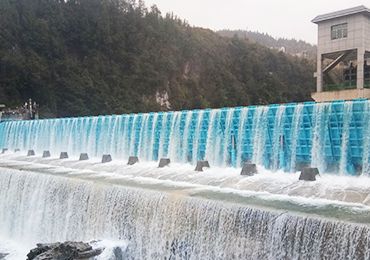
Spillway gates control reservoir releases during high inflows. Intake and outlet gates regulate water supply, hydropower operation and environmental flows. Guard and emergency gates may be needed to isolate downstream equipment or lower a reservoir when abnormal conditions develop.
Outlet works may also be used for flood regulation, reservoir drawdown, emergency releases and access for special inspections or repairs. Their ability to perform these functions depends directly on the condition of the gates, valves and operating machinery.
The consequences of mechanical failure generally fall into two categories:
· Failure to open: The dam cannot release enough water during a flood or emergency.
· Failure to close: Water cannot be controlled or an unintended release continues downstream.
· Partial or uneven movement: The gate becomes jammed, distorted or overloaded.
· Structural failure: A gate member, connection, trunnion or lifting component fails under load.
· Control failure or human error: The wrong gate moves, the gate moves at the wrong time or position feedback is inaccurate.
The 1995 failure of a radial gate at Folsom Dam led the dam safety industry to place greater emphasis on detailed gate inspections, operational testing and evaluation of mechanical systems.
Common systems include:
· Radial or Tainter gates
· Vertical lift gates
· Slide or sluice gates
· Roller and fixed-wheel gates
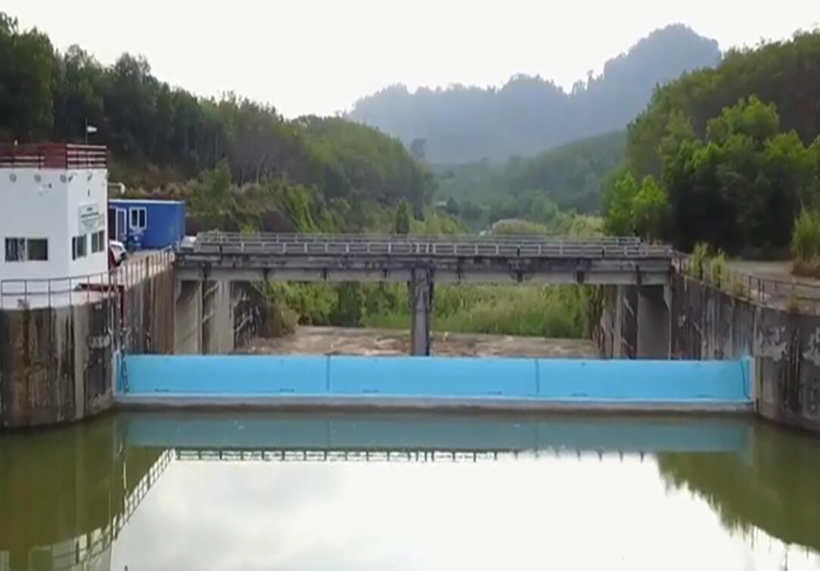
· Drum and hinged crest gates
· Emergency and guard gates
· Bulkheads and stoplogs
· Outlet valves and intake gates
Each design has different load paths, bearing arrangements, seals, operating limits and inspection access requirements. A maintenance checklist for a radial gate should not simply be reused for a slide gate or hydraulic crest gate.
The inspection and maintenance plan should reflect the gate’s design, age, function, operating history, water head, environmental exposure and consequences of failure.
Inspect the gate leaf, skin plate, stiffeners, arms, struts, girders and structural connections for:
· General corrosion, pitting and loss of section
· Coating breakdown, blistering or peeling
· Cracked welds or fatigue-sensitive details
· Loose, missing or corroded bolts
· Bent members or permanent deformation
· Signs of impact, overstress or abnormal vibration
· Water-retaining areas where corrosion may be concealed
Special attention should be given to welded connections, highly stressed members and locations where water and debris accumulate. If cracking, distortion or significant section loss is suspected, a detailed engineering assessment and appropriate nondestructive testing may be required.
Gate frames, tracks, guide rails, sills, anchorages and embedded metalwork help keep the gate aligned during movement. Inspect them for:
· Misalignment or movement
· Loose or missing fasteners
· Corrosion and cavitation damage
· Worn guide surfaces
· Sediment, ice or debris accumulation
· Damaged concrete around anchor points
· Obstructions that could prevent complete closure
Slide gate guides, wedges and stops require accurate adjustment. Wear or loosening can prevent proper seating and cause excessive leakage.
For radial, roller and fixed-wheel gates, examine:
· Bearing wear or excessive clearance
· Seized or poorly rotating components
· Corrosion on pins, shafts and bearing surfaces
· Misalignment between supporting components
· Damaged bushings
· Abnormal friction during operation
· Condition of lubrication lines and fittings
Lubrication must follow the original design and manufacturer’s instructions. Some radial gate bearings are designed for lubrication, while others use bronze, graphite or alternative bearing arrangements that require different treatment. Applying the wrong lubricant—or lubricating a component that was not designed for it—can create additional problems.
Inspect rubber, elastomeric and metal seals for:
· Cracking, hardening or brittleness
· Abrasion, tearing or missing sections
· Uneven compression
· Loose seal-retaining bolts
· Debris trapped against the seal
· Excessive or increasing leakage
· Damage to mating and sealing surfaces
Leakage should be compared with previous inspection records. A gradual increase may indicate seal deterioration, gate distortion, misalignment or movement of the embedded frame.
Gate hoist inspection should cover:
· Wire ropes, chains and attachment points
· Drums, sheaves, sprockets and bearings
· Gearboxes, shafts and couplings
· Brakes, clutches and locking devices
· Motors and manual operating equipment
· Hoist support structures and anchorages
· Gate position indicators
Look for wire breakage, chain corrosion, uneven rope tension, worn grooves, oil leakage, overheating, unusual noise and excessive vibration.
Unequal tension between lifting points can cause the gate to rack or twist. Corrosion of chains and uneven loading of wire ropes can also damage both the lifting system and the gate structure.
For hydraulically operated gates, inspect:
· Cylinders and piston rods
· Rod seals and packings
· Hoses, fittings and pipelines
· Pumps, valves and accumulators
· Hydraulic reservoirs and filters
· Pressure gauges and control valves
· Hydraulic fluid level and condition
Warning signs include external leakage, pressure loss, contaminated fluid, scored rods, slow movement, unstable pressure and repeated seal failure.
Hydraulic oil analysis can help identify water contamination, wear particles or fluid degradation before they cause a major malfunction.
Inspect and test:
· Electric motors and motor starters
· Local and remote control panels
· Power cables and terminal connections
· Limit switches and position sensors
· Interlocks and emergency stops
· Alarms, telemetry and communication systems
· Reservoir-level and gate-opening indicators
· Heating, ventilation and moisture control inside enclosures
Watch for corrosion, condensation, loose wiring, damaged insulation, overheating and inaccurate position feedback. Controls should be tested from all authorized operating locations.
Emergency operation should not depend on an untested backup system. Where applicable, inspect and test:
· Standby generators
· Fuel levels and fuel condition
· Batteries and charging systems
· Automatic transfer switches
· Uninterruptible power supplies
· Manual operating systems
· Auxiliary hydraulic pumps
Testing should confirm that backup power can operate the required gate equipment under realistic load, not merely that the generator starts.
Remove accumulated dirt, vegetation and debris. Repair damaged coatings before localized corrosion becomes serious section loss. Surface preparation and coating selection should suit continuous immersion, splash zones, atmospheric exposure and abrasion conditions.
Areas hidden behind seals, connections or water-retaining details may require special attention.
Maintain gearboxes, bearings, chains, wire ropes, pins and other moving components using the approved lubricant, quantity and interval. Record the lubricant used and any evidence of contamination or abnormal consumption.
Lubrication should not be treated as a universal solution. The bearing design and original engineering requirements must be confirmed first.
Check gate alignment, guide clearances, rope tension and lifting-point synchronization. Correcting a small alignment problem early can prevent binding, structural distortion and accelerated component wear.
Replace damaged seals, bushings, bearings, ropes, chains, brake linings, hoses and electrical components before their condition affects system reliability. Critical spare parts should be identified in the O&M plan, especially when original components are obsolete or have long replacement lead times.
A gate that is rarely operated may deteriorate without obvious symptoms. Periodic exercising helps reveal seized bearings, stiff seals, control faults, hydraulic leakage and unreliable backup power.
For radial gates, the U.S. Bureau of Reclamation’s risk guidance describes annual exercising and a thorough inspection approximately every three years as favorable practice. This is an example rather than a universal schedule; actual intervals must follow site-specific risk, regulatory and engineering requirements.
Qualified engineering review should be obtained when an inspection identifies:
· Cracks in structural or fracture-critical members
· Permanent gate deformation
· Significant corrosion or loss of section
· Binding or inability to complete the required travel
· Uneven hoist loading or gate racking
· Rapidly increasing motor current or hydraulic pressure
· Abnormal vibration or impact during movement
· Failure of brakes, interlocks or limit switches
· Unreliable backup power
· Uncontrolled leakage
· Repeated failures of obsolete components
The appropriate response may range from localized coating and seal repair to hoist replacement, control-system modernization or complete gate rehabilitation.
Dam gates and their operating systems are safety-critical assets. Their reliability cannot be confirmed by appearance alone or by waiting until an emergency operation is required.
A strong dam gate inspection and maintenance program combines routine observation, controlled operational testing, preventive maintenance, detailed engineering inspection and traceable records. It also connects identified defects to clear repair priorities and long-term rehabilitation planning.
For a gate inspection, repair or modernization project, prepare the gate type, dimensions, design head, operating function, drawings, maintenance records, defect photographs and recent test data. This information gives the engineering and equipment team a better basis for evaluating the system and recommending an appropriate solution.