News
In projects aimed at shaping urban waterfront landscapes and achieving water level regulation, rubber dams were once popular, while hydraulic dams are now becoming the preferred solution for many new projects. The core difference between the two lies in their materials and operating mechanisms, which directly affect their service life, maintenance costs, and ecological impact.
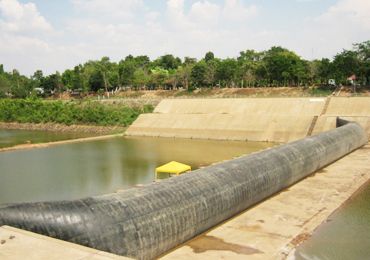
The rubber dam, as the name suggests, has a main dam body made of high-strength synthetic fiber fabric coated with rubber. It forms a water-retaining dam by being inflated with water or air. Its greatest advantages are light weight, simple installation, relatively low cost, and good conformity to irregular riverbeds.
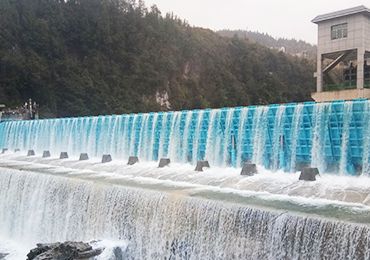
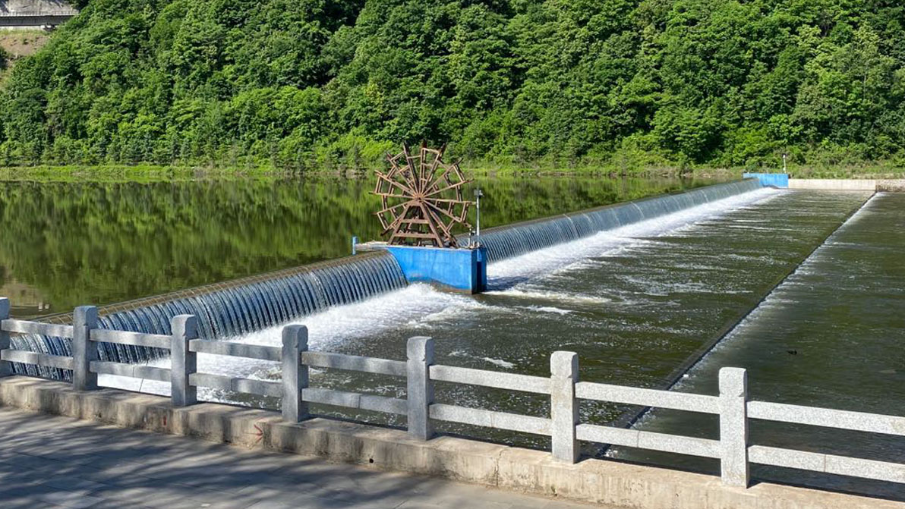
The hydraulic dam represents a combination of "rigidity and flexibility." It features a sturdy reinforced concrete dam face, achieving lifting and lowering through a bottom hinge and hydraulic system. Its structural strength is far superior to that of a rubber dam, enabling it to withstand impact from flood debris, and its service life typically exceeds 50 years.
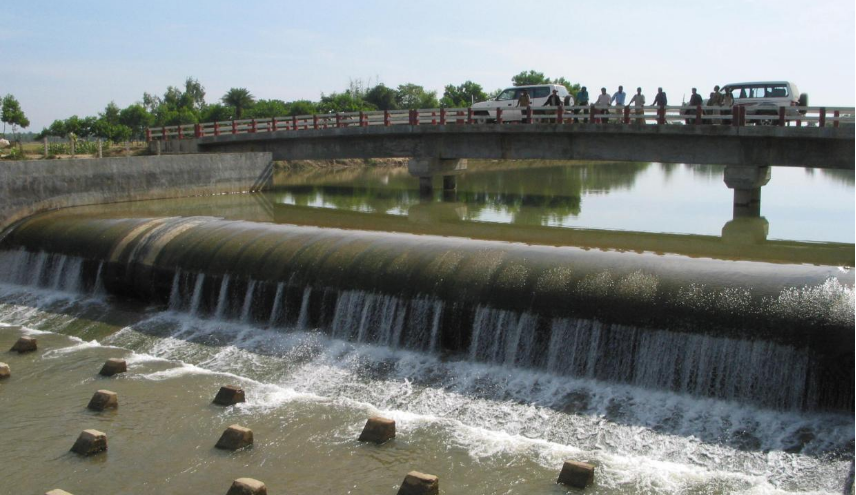
Durability and maintenance are the core points of comparison. The rubber material of rubber dams faces aging issues. Long-term exposure to sunlight, ozone, and severe cold can easily lead to hardening and cracking. Sharp objects or ice can easily puncture it, causing dam failure, resulting in higher maintenance and replacement frequency. The reinforced concrete and metal structure of hydraulic dams offer much stronger weather resistance. Daily maintenance primarily focuses on the hydraulic station, making it simpler and more reliable.
Regarding regulation performance, the inflation/deflation process of rubber dams is relatively slow, and it is difficult to maintain a precise overflow depth over the dam crest. Hydraulic dams, however, can achieve rapid and precise control at any angle. They can be completely lowered for flood discharge or form a stable overflow cascade for landscape, demonstrating clear advantages in regulation flexibility.
Concerning ecological impact, even when deflated, rubber dams retain some volume, potentially obstructing the river channel. The potential long-term impact of the rubber material being in constant contact with water has also attracted some attention. When lowered, the hydraulic dam leaves almost nothing on the riverbed, which is more conducive to sediment transport and fish passage, aligning better with the concept of ecological riverways.
Water conservancy engineering experts state: "Rubber dams still hold value in temporary, low-cost regulation scenarios. However, for projects pursuing long-term safety, low operation and maintenance costs, precise regulation, and ecological sustainability, the comprehensive advantages of hydraulic dams are becoming increasingly prominent. They represent the mainstream direction of current movable dam technology development."