News
Farm dams provide a reliable on-property water source for small farms, helping growers irrigate crops, pastures, market gardens, and orchards without depending entirely on mains water, seasonal streams, or unpredictable rainfall. By collecting and storing runoff during wet periods, farm dams make it possible to use water during dry spells when crops and livestock need it most.
For small-scale farmers, a dependable water supply is one of the most important factors in maintaining productive land. In areas with irregular rainfall, limited natural water sources, or long dry seasons, farm dams can play a key role in supporting irrigation and overall farm water management. When properly designed, sized, and managed, a farm dam can help small properties improve crop growth, reduce water stress, support livestock, and make better use of available rainfall.
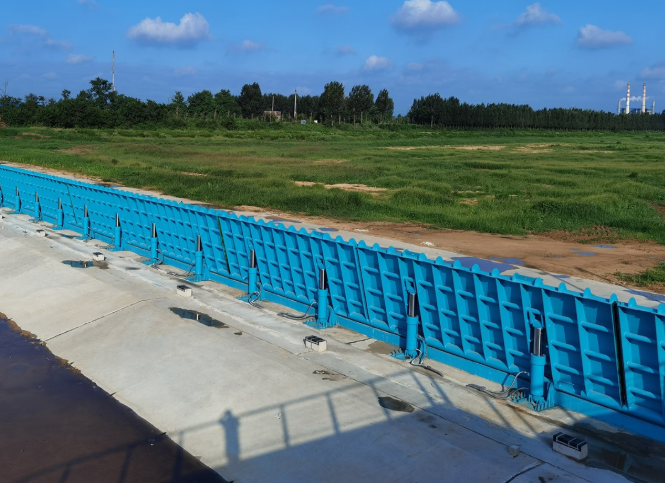
The main purpose of a farm dam is to store water on the property. During periods of high rainfall, runoff from paddocks, catchments, roofs, or nearby drainage areas can be collected and held in the dam. This stored water can then be used later when rainfall is low or when crops require additional moisture.
For small farms, this storage function is especially valuable. Without a dam, much of the rainfall runoff may leave the property and be unavailable when needed. A farm dam allows farmers to capture this water and use it more strategically.
This helps reduce the risk caused by changing weather patterns, short-term dry periods, or drought conditions. Instead of relying only on seasonal rain or external water supply, farmers can use the stored water for irrigation, livestock watering, and other farm needs.
Farm dams help small properties maintain irrigation when natural rainfall is not enough. Stored dam water can be pumped to pastures, vegetable gardens, orchards, nurseries, or other growing areas to keep crops healthy during dry weather.
This is particularly important for crops that require consistent soil moisture. Water stress can reduce plant growth, affect flowering or fruit development, and lower final yield. By using dam water for irrigation, farmers can provide crops with the moisture they need at critical growth stages.
Reliable irrigation also gives small-scale growers more control over production. Instead of being limited by rainfall, they can plan planting, growing, and harvesting with greater confidence.
Access to a dependable water source can improve crop productivity on small farms. With irrigation supported by farm dams, farmers may be able to extend their growing season, protect crops during dry spells, and grow a wider range of produce.
For market gardens, orchards, and small agricultural businesses, this can make a major difference. Consistent irrigation helps support better plant establishment, healthier growth, and more stable yields. It also reduces the chance of crop failure caused by sudden water shortages.
Farm dams can also help farmers make better use of their land. Areas that may be too dry for reliable production under natural rainfall can become more productive when irrigation is available.
Farm dams give small farmers greater flexibility in managing water resources. Because water is stored on the property, farmers can decide when and where to use it based on crop needs, soil conditions, and weather forecasts.
For example, more water may be applied during hot or windy periods when soil dries quickly. Less water may be needed after rainfall or during cooler weather. This flexibility allows farmers to adjust irrigation schedules instead of applying water at fixed times.
With proper planning, farm dams can also help reduce water waste. Farmers can combine dam storage with pumps, pipes, sprinklers, drip irrigation, or trough systems to distribute water more efficiently across the property.
To support reliable irrigation, a farm dam must be appropriately sized for the property and intended water use. A dam that is too small may not provide enough storage through dry periods, while a poorly planned system may lead to inefficient water delivery.
Several factors should be considered when planning irrigation from a farm dam, including:
Property size and catchment area
Average rainfall and seasonal variation
Crop type and irrigation demand
Soil type and water retention
Length of the dry season
Livestock water requirements
Pump capacity and water pressure
Distance from the dam to the irrigation area
Pump selection is also important. The pump must be able to move enough water from the dam to the irrigation system at the required flow rate and pressure. A suitable pump helps maintain consistent irrigation performance and prevents under-watering in areas far from the dam.
Many small farms raise livestock alongside crop production. Farm dams can provide a reliable water source for cattle, sheep, goats, horses, poultry, and other animals.
Livestock need regular access to clean water for health, growth, and productivity. A farm dam can help meet this need, especially during dry seasons when natural water sources may become unreliable.
In some cases, farm dams can be connected to troughs or watering points. This makes it easier to provide water to livestock while reducing the need for manual watering. It can also help manage animal movement and prevent damage around the dam edge if direct access is not suitable.
Farm dams can also support more sustainable water management on small properties. By storing rainfall runoff and using it on the farm, farmers can reduce dependence on rivers, groundwater, mains water, or other external water sources.
This can help lower pressure on local water systems, especially during dry periods. Farm dams can also contribute to better runoff control by slowing and storing water that might otherwise flow away quickly.
When carefully designed and managed, farm dams may provide habitat for local plants, birds, insects, frogs, and other wildlife. Vegetation around the dam can also help reduce erosion, filter runoff, and improve the surrounding environment.
However, good management is important. Farm dams should be maintained to reduce erosion, avoid contamination, manage sediment build-up, and protect water quality.
One of the greatest advantages of farm dams is the resilience they provide. Small farms are often more vulnerable to seasonal water shortages because they may not have access to large irrigation systems or multiple water sources.
A well-managed farm dam gives farmers more control over water availability. This helps them respond better to dry weather, protect crops and livestock, and maintain production when rainfall is unreliable.
For small properties, farm dams are not just water storage ponds. They are practical water management assets that support irrigation planning, livestock care, crop productivity, and long-term farm sustainability.
Farm dams play an important role in supporting reliable irrigation on small properties. By capturing and storing water during wet periods, they provide a dependable supply that can be used during dry spells for crops, pastures, orchards, gardens, and livestock.
For small-scale farmers, farm dams help reduce dependence on seasonal rainfall and external water sources. They improve flexibility in water management, support crop productivity, provide livestock water, and contribute to more sustainable farm operations.
With proper dam sizing, pump selection, and ongoing maintenance, a farm dam can become one of the most valuable water management tools on a small property, helping farmers maintain reliable irrigation and build a more resilient agricultural system.