News
Dam flood control is an important part of modern water resource management. Dams and reservoirs can help manage excess water during periods of heavy rainfall, snowmelt, and seasonal flooding by temporarily storing incoming flows and regulating downstream releases. When properly designed and operated, they can reduce flood peaks, limit downstream damage, and provide additional time for communities to respond to rising water levels.
However, effective flood management involves more than simply constructing a dam. Reservoir storage capacity, spillway design, outlet structures, hydrological forecasting, and operating procedures all influence how a dam performs during a flood event. Dam infrastructure must also be integrated with other flood protection measures to address risks that extend beyond the reservoir itself.
Understanding how dams manage floodwaters, the components involved, and the engineering challenges associated with flood protection helps explain the role of dams in comprehensive flood risk management.
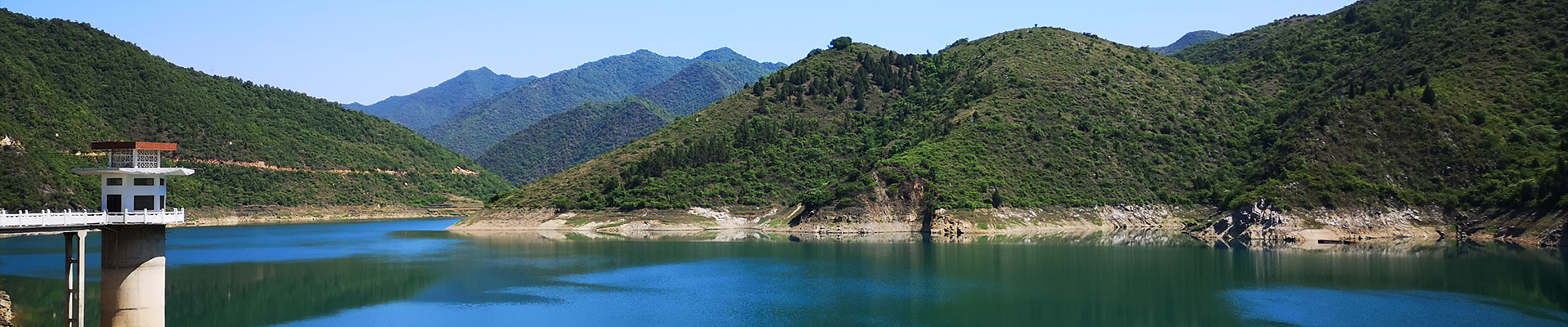
Dam flood control refers to the use of dams, reservoirs, and associated hydraulic structures to manage water flows and reduce the potential impacts of flooding.
During normal conditions, a reservoir stores water for purposes such as water supply, irrigation, hydropower generation, or recreation. During flood events, designated storage capacity can be used to temporarily retain incoming runoff and regulate the amount of water released downstream.
The effectiveness of this process depends on several factors, including reservoir capacity, incoming flood volume, available storage space, spillway discharge capacity, and downstream river conditions.
Not every dam is designed primarily for flood control. Some dams have multiple purposes, while others are intended mainly for water supply, irrigation, hydropower, or other uses. Their ability to reduce flood risk depends on their design characteristics and operating requirements.
● Floodwater Storage: Reservoirs temporarily retain excess water during high-inflow periods, reducing the amount of water immediately entering downstream channels.
● Discharge Regulation: Outlet structures and spillways provide controlled routes for releasing water according to operating requirements and hydraulic conditions.
● Flood Peak Reduction: By storing part of the incoming flood volume and releasing it over a longer period, a reservoir can reduce the peak downstream discharge under suitable conditions.
● Downstream Risk Management: Coordinated reservoir operations can help limit flood impacts on residential areas, agricultural land, transportation infrastructure, and industrial facilities.
● Multiple Water Uses: Some reservoirs balance flood management with water supply, irrigation, hydropower generation, and environmental flow requirements.
Several types of structures are used in flood protection, but their functions and configurations are different.
Dams are generally constructed across rivers or other waterways to retain water and regulate its movement. They create reservoirs or impoundments that can support flood management, water storage, irrigation, and hydropower generation.
Their flood management role depends on the available storage capacity, hydraulic design, and operating procedures.
Dikes and levees are embankment structures constructed along rivers, lakes, or coastlines to prevent water from spreading into adjacent low-lying areas.
The terms are sometimes used interchangeably, although regional engineering practices may distinguish between them. Their main purpose is to provide a continuous protective barrier against rising water levels and overbank flooding.
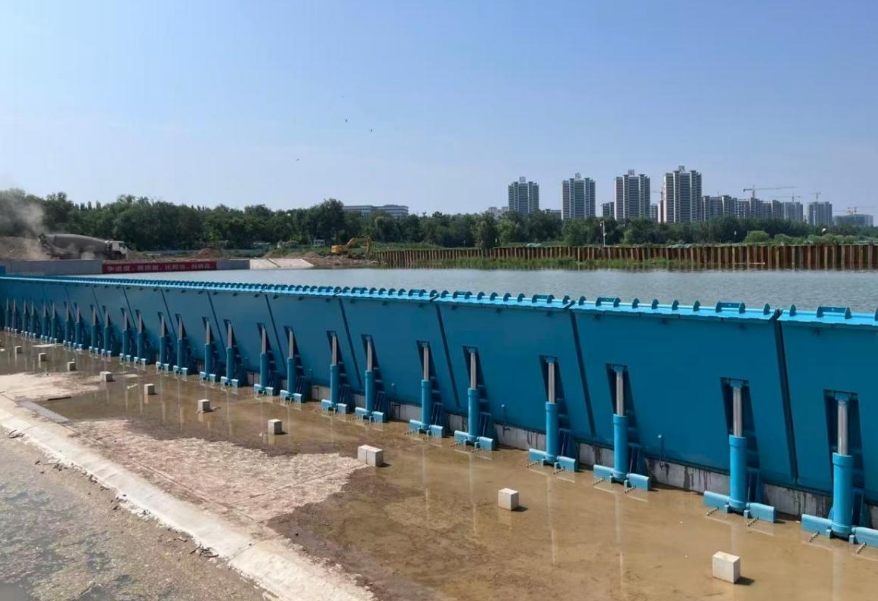
Floodwalls are rigid protective barriers typically constructed from reinforced concrete or other structural materials.
They are particularly useful in urban environments where available land is limited and conventional earth embankments are difficult to accommodate.
Unlike reservoirs behind dams, floodwalls do not provide substantial floodwater storage. Their effectiveness depends on structural stability, foundation conditions, drainage arrangements, and the ability to prevent water from passing through or around the barrier.
Structure | Main Function | Typical Configuration |
Dam | Stores water and regulates discharge | Across a river or waterway |
Dike | Prevents water from entering protected land | Along a water body |
Levee | Limits river overflow into adjacent areas | Along riverbanks |
Floodwall | Provides a rigid flood protection barrier | Along developed or constrained areas |
These structures often operate together as part of a larger flood risk management system.
A dam's flood management performance depends on the coordination of several hydraulic and structural components.
The reservoir is the primary storage area behind a dam. During periods of high inflow, available storage space allows part of the incoming water volume to be retained rather than immediately discharged downstream.
Flood storage is often managed through designated operating levels or seasonal reservoir rules. The amount of storage reserved for flood management depends on hydrological forecasts, historical flow patterns, downstream conditions, and the reservoir's other operational purposes.
A reservoir with insufficient available storage may have limited ability to reduce a major flood peak.
Spillways provide a designated route for discharging excess reservoir water when water levels rise.
They are essential to dam safety because they help prevent uncontrolled overtopping when inflows exceed the water that can be managed through normal outlet operations.
Common spillway configurations include:
● Overflow Spillways: Allow water to pass over a designed crest when the reservoir reaches a specified elevation.
● Chute Spillways: Convey water down a sloping channel toward a downstream discharge area.
● Gated Spillways: Use movable gates to regulate water discharge and reservoir levels.
● Auxiliary or Emergency Spillways: Provide additional discharge capacity when the primary spillway cannot accommodate the required flow.
Spillway design must consider the expected discharge, approach flow conditions, water velocity, downstream channel geometry, and energy dissipation requirements.
High-velocity discharge can cause erosion and damage to downstream structures if hydraulic energy is not properly managed. Stilling basins, plunge pools, and other energy-dissipation arrangements help control these effects.
For more information, see the engineering considerations involved in spillway structures.
Outlet works allow water to be released from a reservoir through designated conduits, tunnels, pipes, or other discharge passages.
Depending on the dam configuration, these facilities may include:
· Intake structures and entrance passages.
· Outlet conduits or tunnels.
· Control gates and regulating valves.
· Trash racks and debris protection systems.
· Downstream discharge channels.
Outlet works support routine water releases, reservoir level management, and certain flood operation requirements.
Their capacity and configuration must be coordinated with the overall hydraulic design. During extreme flood events, spillways may need to carry flows that exceed the capacity of normal outlet facilities.
Gates are mechanical components used to control water movement through spillways, outlets, and other hydraulic passages.
Different gate configurations serve different operating requirements. Their selection depends on hydraulic pressure, opening conditions, discharge capacity, structural arrangement, and maintenance considerations.
Reliable gate operation is particularly important during flood events. Mechanical malfunction, power interruptions, control system problems, or debris accumulation can affect the ability to regulate discharge.
Water discharged from a dam may reach high velocities, creating substantial hydraulic forces downstream.
Energy dissipation structures reduce flow energy before water enters the natural river channel or another downstream facility.
Common arrangements include stilling basins, hydraulic jump structures, plunge pools, and reinforced discharge aprons.
Proper energy dissipation helps reduce downstream scour, bank erosion, and damage to nearby infrastructure.
Dam flood control relies on the relationship between incoming water, available reservoir storage, and controlled discharge.
The process can be divided into three main stages.
Before an anticipated flood event, reservoir operators assess weather forecasts, expected rainfall, snowmelt conditions, upstream river flows, and current reservoir levels.
Where operating rules permit, reservoir levels may be adjusted to create additional storage capacity before periods of increased inflow.
This reserved capacity is commonly referred to as flood storage or flood-control storage.
Reservoir operating rules establish the water level ranges and release requirements that guide these decisions. The objective is to maintain sufficient capacity to temporarily retain incoming floodwater while also accounting for water supply, power generation, and other operational requirements.
When heavy rainfall or rapid snowmelt increases river inflow, the reservoir receives more water than under normal conditions.
If sufficient storage is available, part of this incoming water can be retained temporarily. The amount of water released downstream is then managed according to the reservoir's operating rules, discharge capacity, and downstream flow conditions.
This process changes the timing and magnitude of the downstream flood hydrograph.
Instead of passing the entire incoming flood volume immediately, the reservoir can spread the discharge over a longer period, reducing the downstream peak when conditions allow.
However, when flood inflows exceed available storage and discharge management capacity, operators may need to release substantial volumes through spillways. Such releases can still create downstream flood hazards even when the dam remains structurally safe.
After the main flood inflow has passed, reservoir operators manage releases to restore the water level toward its normal operating range.
The timing and volume of these releases depend on downstream river conditions, remaining inflow, reservoir storage requirements, and other water management priorities.
Monitoring continues after the flood event to evaluate reservoir conditions, inspect hydraulic structures, and identify any damage caused by high flows or debris.
Many reservoirs are designed to serve several purposes simultaneously. This creates operational challenges because the storage requirements for one function may conflict with those of another.
Flood management generally benefits from available empty storage space, while water supply operations often require maintaining sufficient stored water for future demand.
Reservoir operating rules must establish an appropriate balance between these requirements based on seasonal conditions and expected water needs.
Hydropower generation depends on water availability, hydraulic head, and the operating characteristics of the generating equipment.
Flood management may require maintaining additional reservoir storage capacity, while power generation schedules may favor different reservoir levels and discharge patterns.
Coordinated reservoir operation helps balance these objectives without compromising dam safety or downstream flow requirements.
Reservoir releases also influence downstream ecosystems.
Water temperature, seasonal flow patterns, sediment transport, and aquatic habitats may be affected by changes in reservoir operation.
Environmental flow requirements and other ecological considerations therefore need to be incorporated into reservoir management wherever applicable.
Dams can make an important contribution to flood risk reduction, but they cannot independently address every source of flooding.
Flood management typically combines structural infrastructure with land-use planning, monitoring, forecasting, and emergency preparedness.
Levees and floodwalls protect specific areas from river overflow or rising water levels.
They can complement upstream reservoir storage by reducing the likelihood of water entering vulnerable developed areas.
However, these barriers require regular inspection and maintenance to address settlement, seepage, erosion, structural deterioration, and drainage problems.
Floodways and diversion channels provide alternative routes for carrying excess water away from vulnerable areas.
They may redirect part of a flood flow around urban areas, industrial facilities, or other locations where high water levels could cause substantial damage.
Their design requires careful consideration of channel capacity, land availability, downstream conditions, and environmental impacts.
Floodplain management reduces exposure to flooding by controlling development in areas that are naturally subject to inundation.
Land-use planning, flood-resistant building practices, property acquisition, and preservation of natural floodplain areas can all contribute to reducing long-term flood risk.
Hydrological monitoring and weather forecasting help operators and emergency management authorities understand changing flood conditions.
Rainfall measurements, river flow monitoring, reservoir level data, and forecast models support operational decisions and public warning procedures.
Early communication is particularly important when planned reservoir releases or emergency discharge operations may affect downstream communities.
Although dams can reduce certain flood impacts, they also introduce structural and operational risks that require continuous attention.
Overtopping occurs when water passes over the dam crest in a manner not accommodated by the structure's design.
For many embankment dams, uncontrolled overtopping can cause rapid surface erosion and potentially lead to structural failure.
Insufficient spillway capacity, blocked discharge routes, extreme inflows, and inadequate reservoir operating capacity may contribute to overtopping risk.
Seepage can occur through a dam body, its foundation, or the contact areas between the structure and surrounding geological materials.
Uncontrolled seepage may lead to internal erosion, piping, or instability.
Drainage systems, seepage monitoring, and regular inspection are important parts of dam safety management.
Foundation movement, settlement, cracking, slope instability, and deterioration of structural components can affect the stability of a dam.
These problems may develop gradually and become more serious when hydraulic loading increases during high reservoir levels or flood events.
Spillway damage, gate malfunction, debris blockage, and problems with outlet conduits can reduce the ability of a dam to manage incoming water.
Regular inspection and maintenance help identify these conditions before they develop into more serious operational or safety issues.
Dam safety programs typically involve periodic engineering inspections, instrumentation, structural monitoring, maintenance, and emergency planning.
Monitoring may include reservoir levels, seepage conditions, deformation, settlement, and other indicators relevant to the dam's design.
Emergency action plans establish procedures for responding to abnormal conditions and communicating potential hazards to downstream communities.
No dam can eliminate all flood risk. Even when a dam performs as designed, large releases or floods exceeding its design assumptions may still affect downstream areas.
The construction and operation of dams can create environmental and social impacts that must be considered throughout the project lifecycle.
Reservoirs can trap sediment transported by rivers, gradually reducing available storage capacity.
Downstream areas may receive less sediment than under natural river conditions, potentially changing riverbed elevations, channel stability, and bank erosion patterns.
Sediment management is therefore an important consideration in long-term reservoir planning.
Dams change natural river connectivity and may affect fish migration, aquatic habitats, and seasonal flow patterns.
Fish passage facilities, environmental flow releases, and other ecological measures can help address some of these impacts, although their effectiveness depends on local species and river conditions.
Reservoir formation and water releases can alter water temperature, dissolved oxygen levels, and other water quality characteristics.
These changes may influence downstream aquatic ecosystems and should be considered in reservoir design and operation.
Large reservoirs may inundate existing land, infrastructure, agricultural areas, or settlements.
Project planning therefore requires consideration of land use, community impacts, environmental assessment, and applicable regulatory requirements.
Changing climatic conditions create additional challenges for dam flood management.
In some regions, shifts in precipitation patterns, more intense rainfall events, changing snowmelt timing, and prolonged periods of drought can affect reservoir inflows and operating requirements.
Existing dams may have been designed using hydrological records and assumptions that need to be reassessed as new data becomes available.
Several areas are particularly important:
● Updated Hydrological Analysis: Reviewing rainfall, runoff, and flood frequency information to evaluate whether existing design assumptions remain appropriate.
● Spillway Capacity Assessment: Evaluating whether spillways and outlet facilities can safely accommodate the flood conditions established by current engineering criteria.
● Reservoir Operating Rules: Updating operating procedures where necessary to account for changing seasonal inflows and water demand.
● Structural Rehabilitation: Addressing deterioration, seepage, foundation problems, and other conditions that may affect long-term dam performance.
● Improved Monitoring: Using updated monitoring systems, forecasting tools, and operational data to support more informed decisions.
These measures help maintain the reliability of existing infrastructure under changing hydrological conditions.
New dam construction and the rehabilitation of existing dams require different engineering approaches, but both depend on reliable structural design and a clear understanding of site conditions.
Traditional cast-in-place concrete construction involves formwork installation, reinforcement placement, concrete pouring, curing, and other activities carried out at the project site.
Precast concrete construction offers an alternative approach in which structural components are manufactured in advance and transported to the installation location.
For suitable projects, modular precast concrete components can be incorporated into new dam structures or rehabilitation schemes. Their application depends on foundation conditions, structural connections, hydraulic requirements, transportation access, and the overall project configuration.
In existing dam rehabilitation, engineering assessments may identify requirements for structural reinforcement, spillway upgrades, outlet modifications, dam raising, or partial reconstruction.
The appropriate solution must be determined through project-specific structural, geotechnical, and hydrological studies.
Dams can reduce downstream flood peaks by temporarily storing part of the incoming floodwater in a reservoir and releasing it over a longer period. The actual reduction depends on available storage, inflow volume, discharge capacity, and operating rules.
No. Dams may be designed for water supply, irrigation, hydropower generation, recreation, flood management, or multiple purposes. A dam's ability to reduce flooding depends on its design and operating requirements.
A dam is generally built across a waterway to retain water and regulate downstream discharge. A levee is constructed along a river or other water body to prevent water from overflowing into adjacent land.
A spillway provides a designated discharge route for excess reservoir water. It helps prevent uncontrolled overtopping by allowing water to pass safely toward the downstream channel within the structure's design capacity.
No. Dams can reduce certain flood risks, but they cannot eliminate flooding. Extreme inflows, limited reservoir storage, downstream rainfall, tributary flows, and other conditions can still produce flooding even when a dam operates as intended.
Changes in rainfall intensity, snowmelt patterns, and seasonal runoff can affect reservoir inflows and flood conditions. Existing dams may therefore require updated hydrological assessments, operational adjustments, or infrastructure upgrades.
Dam flood control is a complex engineering and water management process involving reservoir storage, controlled discharge, spillway capacity, structural safety, and coordinated operation.
Dams can help reduce downstream flood peaks and manage excess water, but their effectiveness depends on site conditions, available storage, hydrological forecasts, and the ability of associated hydraulic structures to handle incoming flows.
A comprehensive flood management strategy also requires levees, floodwalls, floodways, floodplain planning, environmental considerations, and effective emergency preparedness.
As climate conditions and infrastructure requirements continue to evolve, regular dam assessments, improved monitoring, and appropriate rehabilitation methods will remain essential to maintaining reliable water infrastructure and reducing flood risks.