News
Flooding has become one of the most destructive natural disasters affecting communities, infrastructure, and economies around the world. With climate change contributing to more frequent extreme rainfall events and rising water levels, flood management has become a critical priority for governments, engineers, and water resource planners.
Today, nearly two billion people live in areas exposed to significant flood risks, while hundreds of millions reside in urban regions vulnerable to river flooding. The economic impact of flooding is enormous, often resulting in damaged infrastructure, disrupted industries, agricultural losses, and costly recovery operations. As a result, improving flood resilience has become essential for sustainable development and public safety.
Among the most effective long-term solutions for flood mitigation are dams and reservoirs. While dams are commonly associated with hydropower generation, their role extends far beyond electricity production. Modern dam systems serve multiple functions, including water storage, irrigation support, navigation improvement, recreational use, ecological management, and most importantly, flood control.
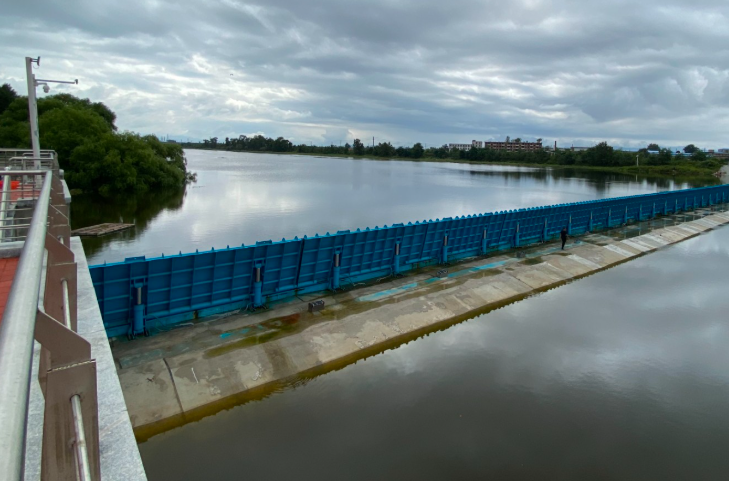
Dams play a central role in regulating river systems and controlling excess water flow during heavy rainfall or seasonal flooding. By temporarily storing large volumes of incoming water, reservoirs help reduce downstream flood peaks and protect populated areas, industrial zones, farmland, and transportation infrastructure.
Flood control reservoirs are carefully managed to balance water storage capacity and controlled discharge rates. Before flood seasons, operators may intentionally lower reservoir water levels to create additional storage space for incoming stormwater. This strategy significantly reduces the risk of overflow and downstream flooding.
Even reservoirs primarily designed for hydropower, irrigation, or water supply can contribute to flood management when operated strategically. In many cases, these different functions complement one another rather than conflict. Efficient reservoir management allows dams to support both economic development and disaster prevention simultaneously.
In countries with extensive river systems, dams form part of integrated flood management networks. These systems help regulate river flow, stabilize water levels, and reduce the frequency and severity of flood events.
Large-scale reservoirs are often designed as multi-purpose infrastructure projects. Beyond flood mitigation, they contribute to a wide range of economic and social benefits, including:
· Hydroelectric power generation
· Agricultural irrigation
· Municipal and industrial water supply
· Navigation support
· Fisheries and aquaculture
· Recreational activities and tourism
· Drought management
In many regions, flood control is considered one of the most valuable non-power functions of dams. Reservoir systems provide a level of water management flexibility that natural river systems alone cannot achieve.
Interestingly, not all dams are constructed for hydropower production. Thousands of dams worldwide exist primarily for flood protection, irrigation, or water supply purposes. This highlights the broader importance of dams in national infrastructure and water security strategies.
Flood mitigation depends heavily on effective reservoir operation and water release management. During heavy rainfall events, reservoir operators monitor inflow conditions, river levels, and weather forecasts to determine the optimal water storage and discharge strategy.
The effectiveness of dams in reducing flood risks generally depends on several key factors:
Larger reservoirs can retain greater volumes of floodwater, reducing downstream flood peaks more effectively.
The shape of the river basin, rainfall intensity, soil conditions, and upstream water flow patterns all influence flood behavior and reservoir performance.
Pre-flood drawdown strategies allow operators to maximize available storage before major storm events occur.
Spillways, radial gates, outlet systems, and monitoring equipment play important roles in maintaining safe and controlled water releases.
Modern dams increasingly rely on digital monitoring technologies, hydrological forecasting, and automated gate control systems to improve flood response efficiency.
When properly managed, dams can substantially reduce both the extent of flooding and the economic damage associated with flood events.
The economic benefits of flood protection infrastructure are enormous. Flood events often result in direct losses such as:
· Damage to homes and buildings
· Infrastructure destruction
· Agricultural losses
· Industrial production disruptions
· Transportation interruptions
· Emergency response costs
Indirect impacts can be equally severe, including reduced business activity, long-term economic disruption, health risks, and social displacement.
Studies have shown that dams can significantly reduce flood-related economic losses by protecting high-value urban and industrial areas. In some cases, flood mitigation provided by reservoirs translates into billions of dollars in annual savings.
As climate change increases the frequency of extreme weather events, the economic importance of dams and flood management infrastructure continues to grow. Investments in reservoir systems are increasingly viewed not only as water infrastructure projects, but also as climate resilience solutions.
Global climate trends indicate rising risks associated with intense precipitation, glacier melt, sea-level rise, and changing weather patterns. These conditions place additional pressure on river systems and urban drainage networks.
Flood-prone regions are experiencing:
· More frequent extreme rainfall events
· Increased river overflow incidents
· Higher risks of flash flooding
· Greater pressure on aging infrastructure
· Expanded urban exposure to flood hazards
In this context, dams and reservoirs are becoming increasingly important tools for climate adaptation. Their ability to store and regulate water provides governments and communities with greater resilience against unpredictable hydrological conditions.
However, climate change also presents operational challenges for dam managers. Reservoirs must now balance flood control objectives with water conservation, environmental flow requirements, hydropower generation, and drought preparedness.
The flood reduction performance of dams varies depending on local conditions and reservoir management strategies. Several variables influence the overall effectiveness of flood protection systems.
Regions with a higher proportion of regulated river systems generally experience lower flood vulnerability.
Dams specifically designed with flood storage capacity and advanced spillway systems provide stronger protection.
Well-coordinated reservoir management significantly improves flood mitigation performance.
Areas with dense populations and concentrated infrastructure face higher potential losses during flood events.
Flood forecasting systems, evacuation planning, and communication networks also contribute to reducing disaster impacts.
Case studies from different countries have demonstrated that dams can reduce flood damage by substantial margins when supported by effective operational management and integrated water resource planning.
Although dams provide major flood protection benefits, modern water management also emphasizes environmental sustainability. Reservoir operations must consider ecological impacts such as:
· Sediment transport
· Fish migration
· River ecosystem balance
· Water quality management
· Wetland preservation
Today’s dam projects increasingly integrate environmental engineering solutions to balance infrastructure performance with ecological protection. Sustainable reservoir management aims to support both human safety and healthy river ecosystems.
As urban populations continue to grow and climate risks intensify, the need for advanced flood protection systems will continue increasing. Future dam and reservoir projects are expected to incorporate:
· Smart monitoring technologies
· AI-assisted flood forecasting
· Automated gate control systems
· Improved hydrological modeling
· Climate-adaptive reservoir management
· Integrated basin-wide water management strategies
Governments and infrastructure developers are also investing in dam rehabilitation and modernization projects to improve the safety and efficiency of aging reservoirs.
In many regions, upgrading existing dam infrastructure may provide faster and more cost-effective flood protection improvements than constructing entirely new systems.
Dams remain one of the most effective tools for large-scale flood management and water regulation. Beyond their traditional role in hydropower generation, reservoirs contribute significantly to protecting communities, infrastructure, agriculture, and economies from the devastating impacts of flooding.
Through controlled water storage and carefully managed discharge systems, dams help reduce flood frequency, minimize downstream damage, and strengthen climate resilience. As extreme weather events become more common, the strategic importance of flood control infrastructure will only continue to increase.
Modern reservoir systems represent far more than engineering structures — they are essential components of sustainable water management, disaster prevention, and long-term economic stability.
Previous: Advantages of Hydraulic Lifting Dams