News
Steel dams, with their unique structural characteristics and operational advantages, are widely used in water resource management and engineering. Below are some of the key application scenarios:

In hydropower stations, steel dams regulate water flow to optimize electricity generation. By precisely controlling the opening and closing of the dam, water flow through turbines can be adjusted according to electricity demand. During peak consumption, the dam opens wider to increase power output, while in low-demand periods, water flow is reduced to conserve resources.
Steel dams help maintain optimal reservoir water levels, preventing overflow during heavy rainfall or snowmelt and ensuring safety downstream. They also store water during dry periods to maintain continuous power generation. Historical examples include the Ash Fork–Bainbridge steel dam in Arizona (1898), supplying locomotive water, and the Redridge steel dam in Michigan (1901), supplying water to stamp mills. These illustrate the long-standing role of steel dams in industrial and energy-related water management.
Steel dams are highly effective for flood management. During flood seasons, the dam can be closed to block water flow, protecting nearby towns and agricultural lands. In flood-prone areas, strategically placed steel dams can significantly reduce flood risks.
Steel dams are used to divert water from rivers or reservoirs into canals for irrigation, industrial use, or urban water supply. Adjustable gates allow precise control over the water flow, which is especially critical in arid and semi-arid regions where efficient water management supports economic development and livelihoods.
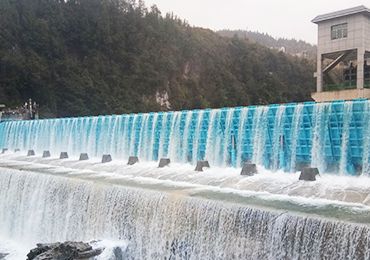
In urban parks, lakes, and waterfronts, steel dams are used to create aesthetically pleasing water features, such as calm ponds or cascading waterfalls. They can be integrated with bridges, walkways, and greenery to enhance urban environments and attract residents and tourists.
Steel dams support ecological restoration by maintaining stable water levels, protecting riverbeds and banks, and improving habitats for aquatic life. They can create artificial rapids or slow-flow areas, fostering diverse ecosystems and helping restore ecological balance.
Steel dams adjust water depth and flow in navigable waterways, ensuring safe passage for ships. They can be integrated with lock systems to help vessels overcome water level differences across different sections of the waterway.
In port areas, steel dams prevent damage from high tides or storm surges and maintain sufficient water levels during low tide, ensuring smooth operations such as loading and unloading of goods.
In wastewater treatment plants, steel dams regulate water flow into treatment units, ensuring stable operations and effective treatment. Precise flow control improves treatment efficiency and helps meet discharge standards.
Steel dams can prevent the spread of pollution in rivers and other water bodies. In the event of accidental contamination, a downstream dam can be closed quickly to contain the pollution, protecting aquatic life and water users.